Personal Floatation Devices “PFDs” in Alaska

WTF is a PFD?

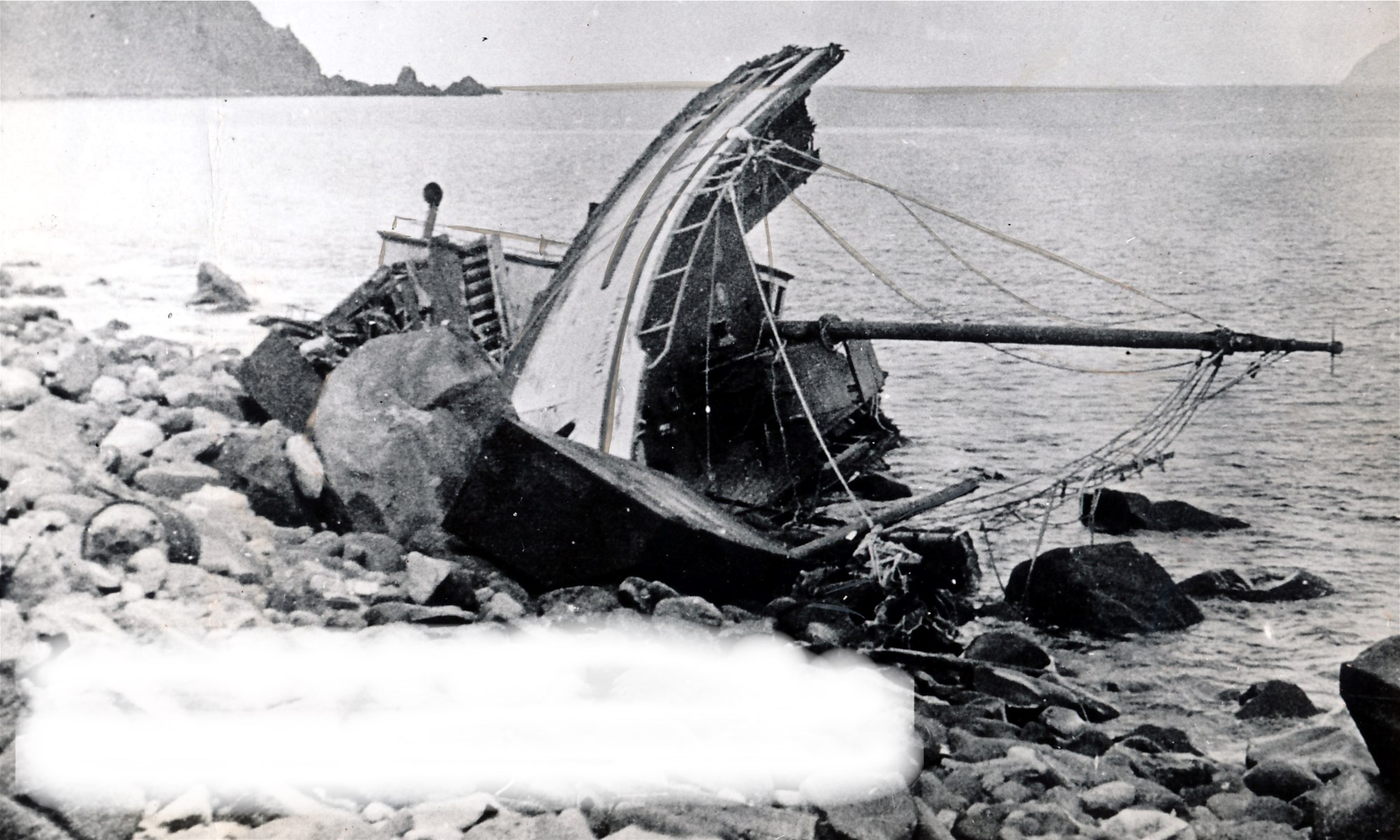
This is a good example of what not to do with a skiff. One of the most glaring problems is the lack of PFDs in an extremely sketchy situation.

Ever since 1940, a personal floatation device, or PFD, has been required by U S Coast Guard Regulations on every boat or ship from the smallest skiff to the largest cruise ship for every person on board. Different PFD’s are required  depending on where you are and what you are doing. The rules and regulations also stipulate the size, condition and a number of other factors for the casual or professional mariner. In Alaska, the same rules apply that are used all over the United States and her Territories when it comes to Personal Floatation Devices. PFDs have changed a little over the years, but you still have to have a personal floatation device for everybody on a boat. That being said, Alaskans are notorious for their free spirit and lack of strict rule following.

I took the above picture many years ago during deer season  in the Kodiak Island Area. Sometimes unmitigated risk becomes a personal lifestyle approach for those who are constantly finding themselves in dangerous situations. Alaska fishermen in particular tend to thumb their noses at regulations that hinder any of their activities out on the water. I know I did back in my early years fishing in the 1970s and 1980s. Even under the most dangerous of situations, back during the boom years of crabbing, very few people wore any kind of PFD. Boats had them stashed somewhere, but most of us thought they were just to satisfy the regulators, and really served no purpose. They were hidden away in some damp musty closet or bench, and hadn’t been touched since they were stowed away. Boat owners had to supply them, but most of us didn’t know or care where they were. That was five decades ago. Times have changed.

I took this picture in 1976 as we pounded through heavy seas south of Kodiak Island. I survived several decades without owning a PFD but many of my friends didn’t.

Now that I have been researching Alaska shipwrecks and losses of life at sea for almost 50 years, I have become an enthusiastic advocate for personal floatation devices of all kinds. I have seen tens of thousands of stories of shipwrecks, men overboard, and skiff accidents, and the obvious value of something as simple as an inflatable belt or vest is demonstrated over and over.

The two main categories of floatation devices available today are the “inherently buoyant” and the “inflatable”.  There are several types of each, usually represented as a “Type” followed by a Roman Numeral.  New designations have recently been put out that use “Levels” instead of “Types”. The following chart showing use and performance of PFDs puts this in perspective. The higher the Level, the more floatation.

Performance Rating / Type Best Used For Turning Performance
Level 100 / Type I Offshore and rough, remote waters where rescue may be delayed. Turns most unconscious wearers face-up.
Level 70 / Type II & III General boating, inland lakes, and near-shore water sports. Moderate to low face-up turning ability.
Level 50 Sheltered waters close to rescue; must be worn to count. Does not turn an unconscious person face-up.
Type IV Throwable cushions or rings for boats ≥ 16 feet. N/A (Not wearable).

These days, there are so many good floatation devices, I recommend owning several easy to transport units, just in case you find yourself in some unforeseen emergency or are called upon to go out on a boat with less than optimal equipment. The following are a few examples I have picked out that anyone might want to own and bring along when heading out on the water.

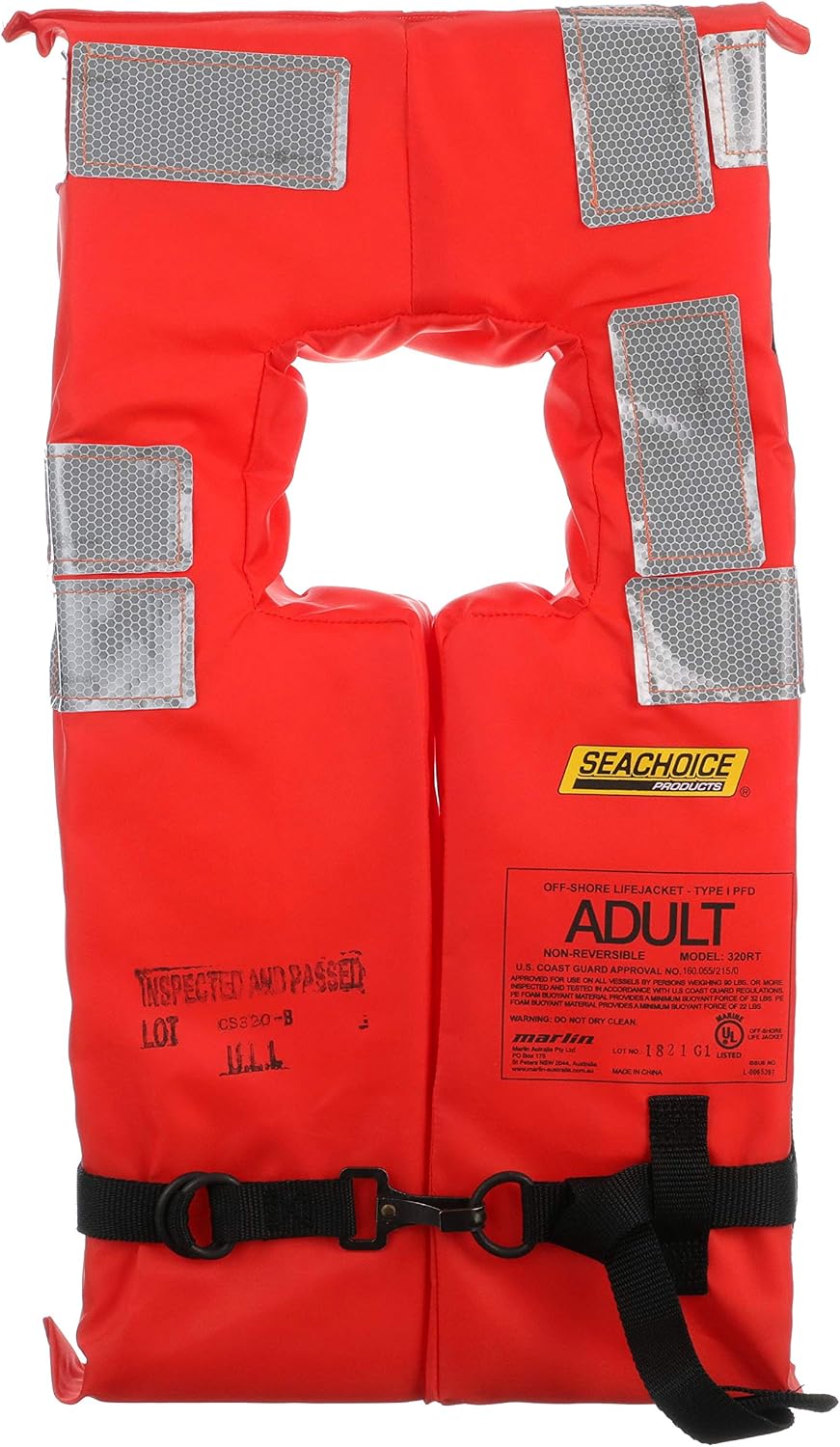
Here is an example of an Inherently Buoyant Type I life vest.  Owning one of your own, with your name stenciled on it hanging by the front door, is a good disaster repellant if you live anywhere near the water in Alaska. I call mine, my “Tsunami Jacket”.
Seachoice Type I life vest

The U S Coast Guard does not approve any InflatableType I life jackets, only Inherently Buoyant Type I are available. 


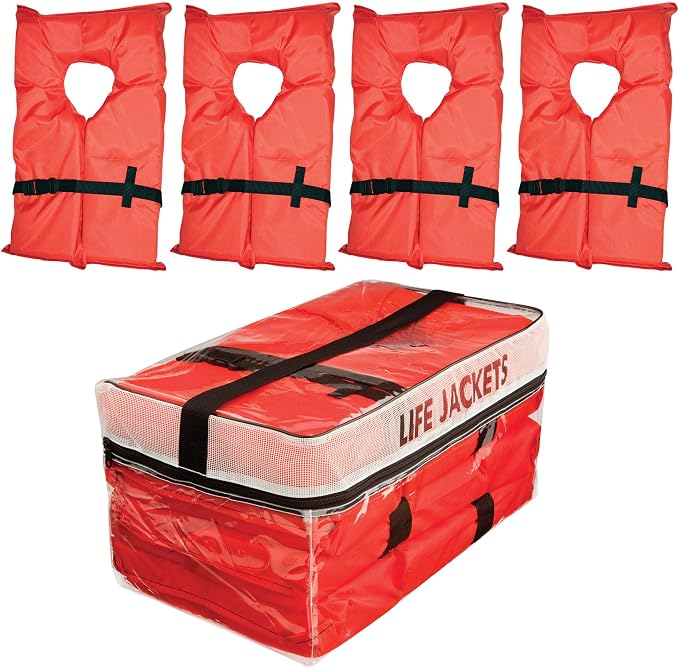
Below are Inherently Buoyant Type II life jackets made by Kent and sold in a clear storage bag for easy identification.
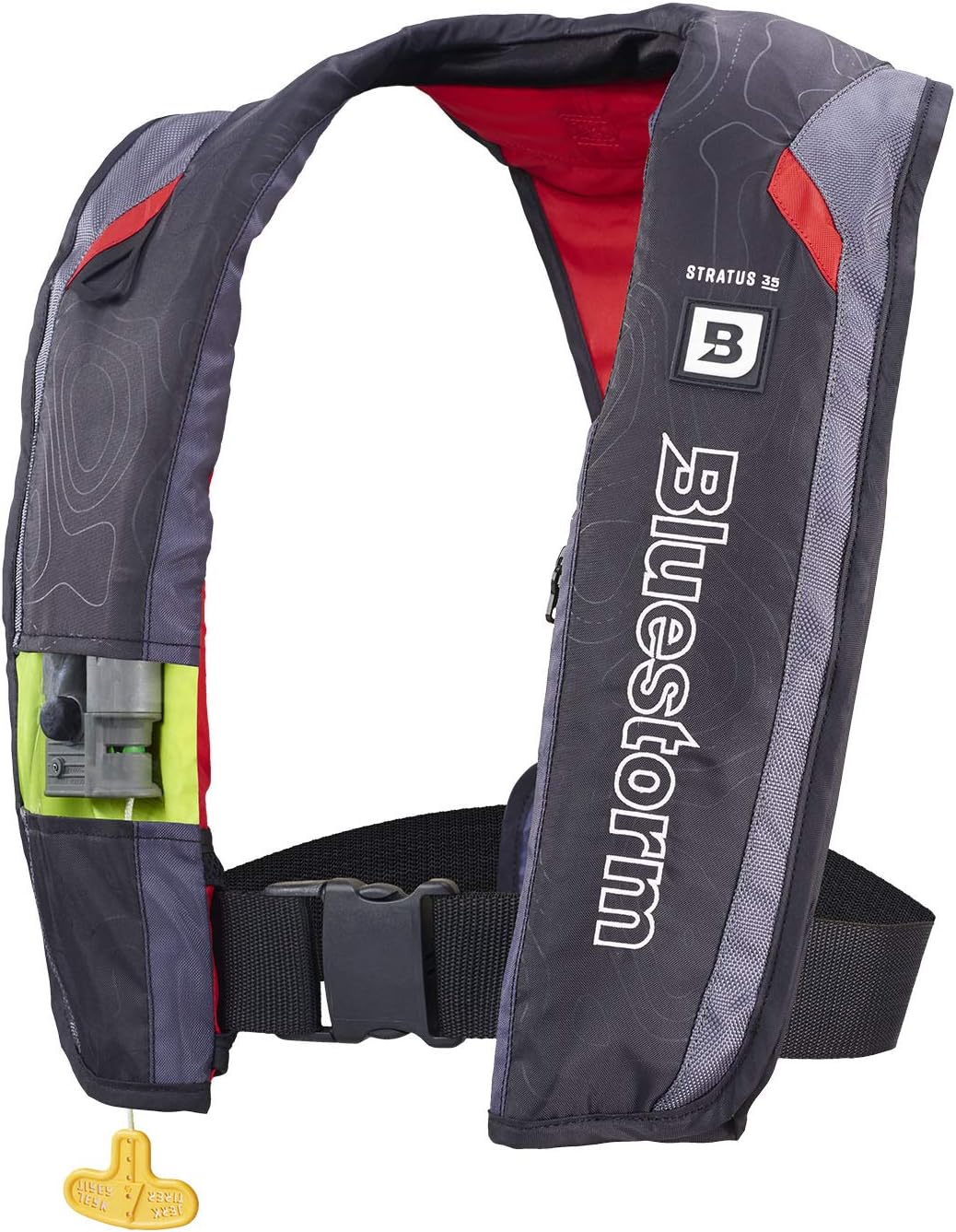
Bluestorm 35 Ready for Use

The Inflatable Type II life vest is a more light weight and portable unit. Seen here is the  Bluestorm Stratus 35. It is top of the line and easy to pack if you are traveling. It is U S Coast Guard Approved and fits adults with chest sizes from 30 to 52 inches.
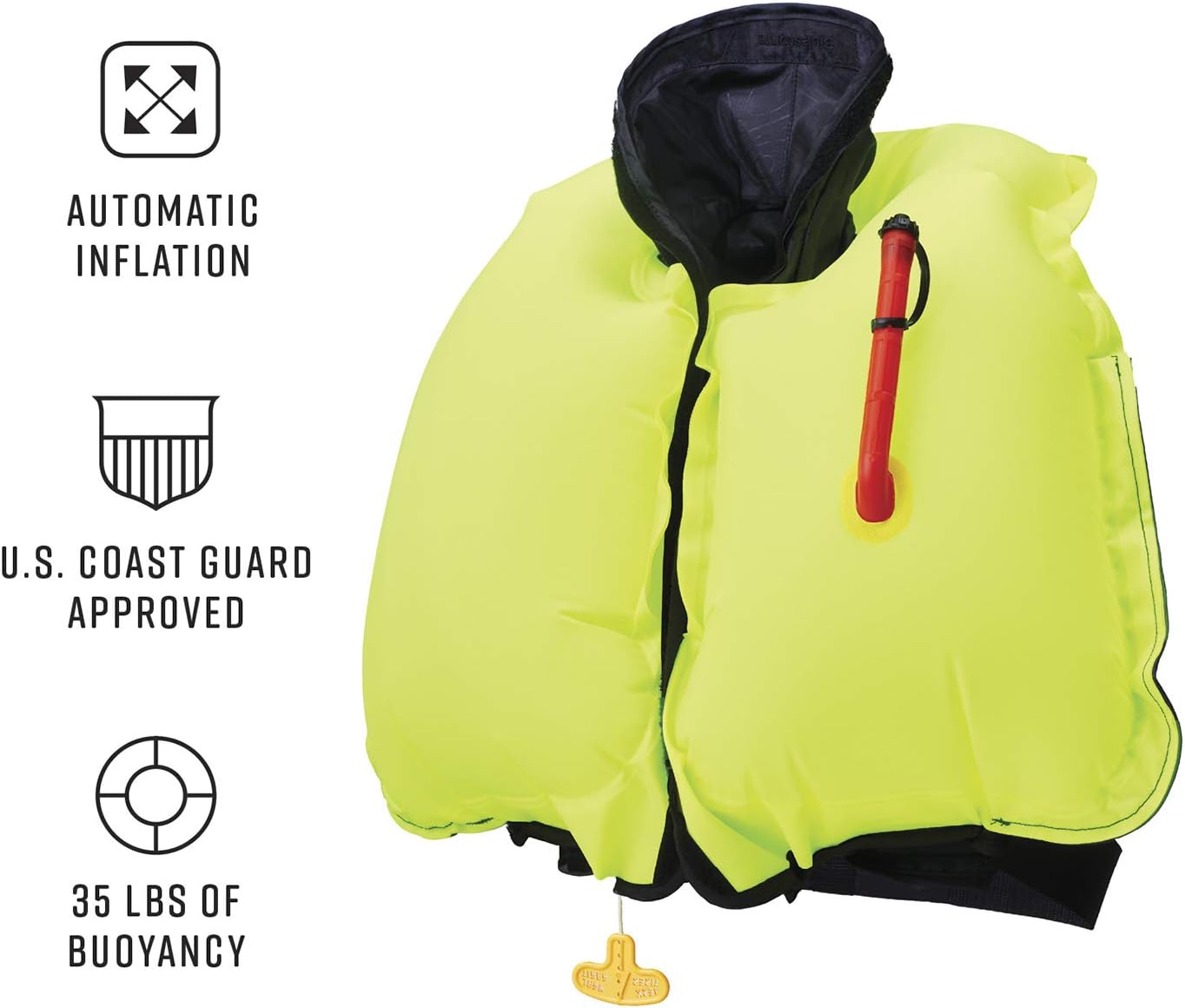


Bluestorm 35 Inflated

Inflation of the Bluestorm 35 can be automatic or manual. Type II jackets are for use near shore.


The Inherently Buoyant Type III personal floatation device has a little less floatation capability than the Type I, so it is more comfortable to wear while working, paddling or any other activity involving upper body movement.  This Stohlquist Type III  is highly rated and comes with Coast Guard Approval.
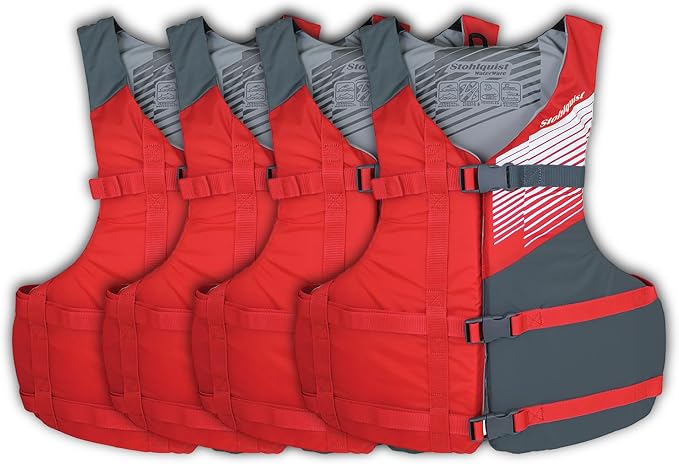
Stohlquist Inherently Buoyant Type III Life Jackets

The Bluestorm Cirrus 26 is an Inflatable Type III PFD. It is lighter to wear and provides slightly less floatation than the Bluestorm Stratus 35.
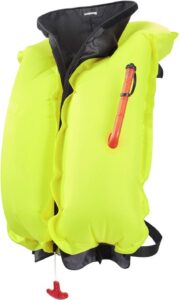
Uninflated Bluestorm Cirrus 26
Bluestorm Cirrus 26 Inflated


Type IV floatation devices consist of throwable rings or cushions. Here are a couple of popular examples.
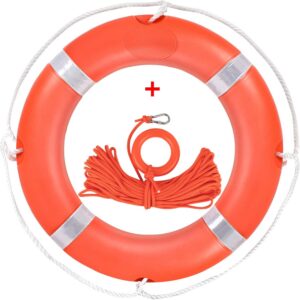
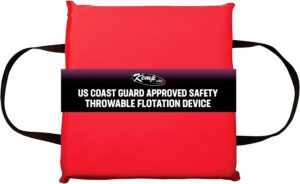
Safety first! Always have this handy on your boat trips.
A must-have for any water adventure! Stay safe with this reliable flotation cushion.


Not all personal floatation devices are U S Coast Guard Approved, but they may be beneficial to own. For example, many pets escort their owners on water outings. There are some great pet personal floatation devices (PPFDs) that come with high recommendations.
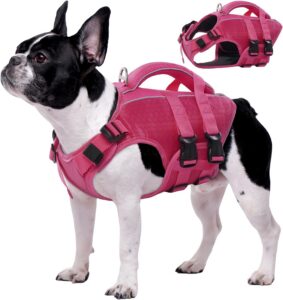
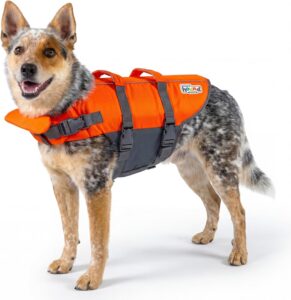
The Kouser Dog PPFD is both functional and stylish.
This Queensmore Outward Hound life jacket comes in many sizes and colors.


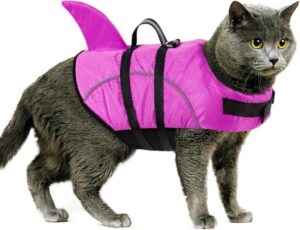
The small dog PPFDs are even designed for use by a cat. The Queensmore extra small has a shark hunting theme.

You can click on any of the above images to get more information. All these and many other PFDs can be found on Amazon. As an Amazon Associate, I earn from qualifying purchases at no extra cost to you.
Preferred Affiliate Advertising

In the interest of perpetuating this Alaska Shipwreck website beyond my personal presence on this planet, I am going to initiate some preferred affiliate advertising on relevant posts and pages. Hopefully, this will defer some of the expenses of maintaining this site and the information it provides. Some general products that will be promoted have to do with safety and information that could prove beneficial to visitors of this website and of Alaska. I will be populating this website with advertisements similar to the following examples:

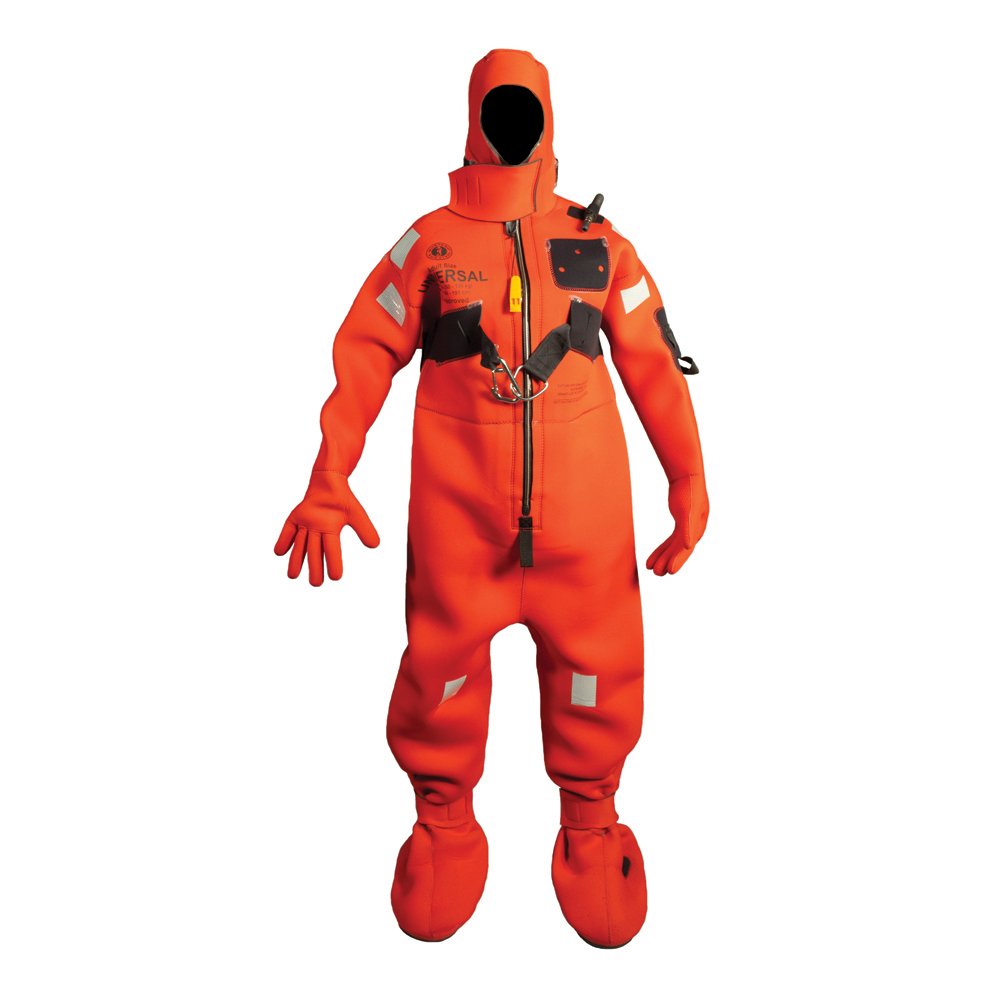
Mustang Survival Immersion Suit:

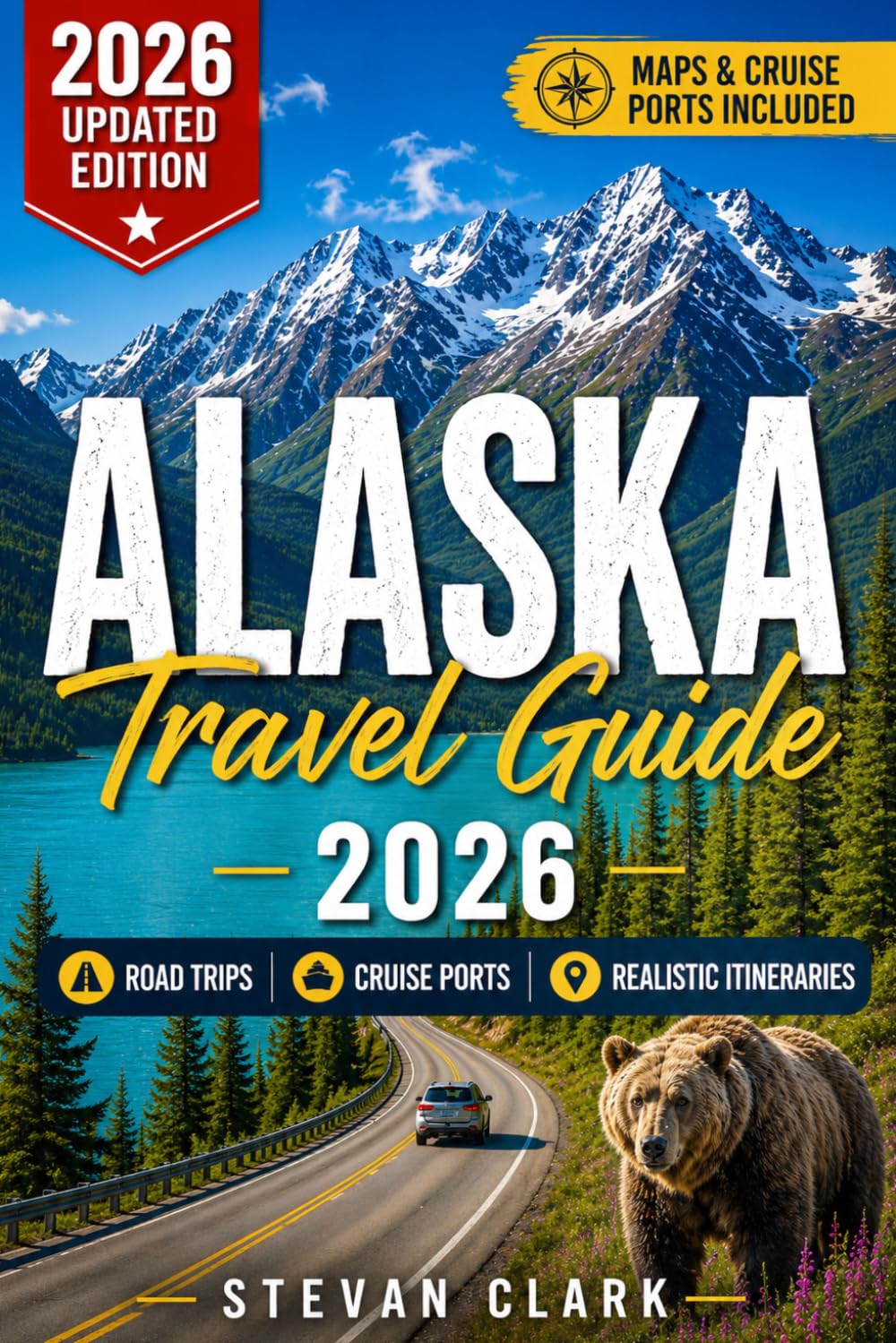
Click on any of the pictures and you will be taken to a site where you can see prices and other similar offers.

Alaska Travel Guide 2026:


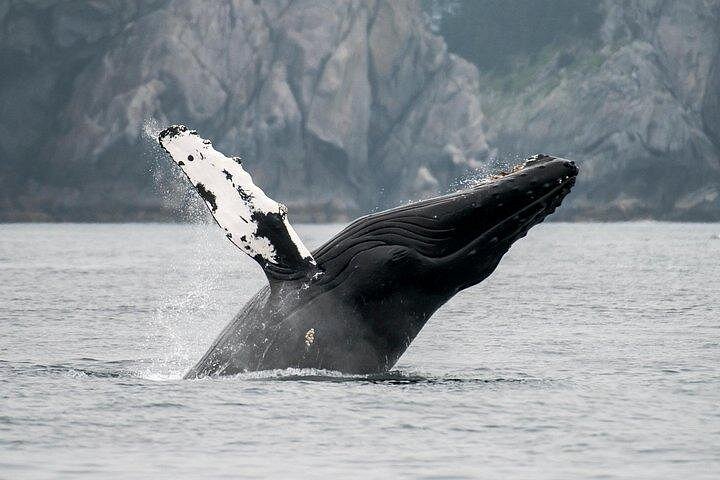
Another example of the very limited advertising that will be put in place will be Juneau Wildlife Whale Watching,

An advertisement for this highly rated excursion will be inserted in the “Southeast Alaska Shipwrecks” section.  In order not to distract from the important information available here on alaskashipwreck.com, the number and size of the advertisements will be very limited.

I have been slowly building and constantly maintaining alaskashipwreck.com for the past 15 years. I am getting old, but in good health at 75. I hope to maintain it for at least another 15. Thank you to all for your interest and support….Captain Warren Good

ALASKA SHIPWRECKS – WATERWAYS OF SOUTHEAST

In the interest of financing and perpetuating our work here at Alaska Shipwrecks, I am publishing a series of books. They will be presented in a geographic format with the Alaska Shipwrecks of individual waterways described for each waterway in the entire state. For anyone living or traveling through any Alaskan waterway, you can now learn all of the wrecks associated with any particular waterway. The series of books is called “ALASKA SHIPWRECKS – WATERWAYS OF ALASKA”. The four books in the series are “WATERWAYS OF SOUTHEAST ALASKA”, “WATERWAYS OF SOUTH CENTRAL ALASKA”, “WATERWAYS OF CENTRAL AND WESTERN ALASKA”, AND “WATERWAYS OF NORTHERN ALASKA”

The first book, WATERWAYS OF SOUTHEAST ALASKA, is now available through Amazon. The link is: https://a.co/d/e1mt5l4https://www.amazon.com/dp/B0CZK8YYQX?


ALASKA SHIPWRECKS

The alphabetical list of Alaska Shipwrecks on this site includes more than 3,800 ships. After each entry we have posted three categories, MAPPING AND LOCATION, ADDITIONAL INFORMATION, and SOURCES. The LOCATION given is not the exact location of the shipwreck. It is the location of the nearest point of reference which was reported by whatever source the information came from. For example, if a news article says a wreck occurred in Cook Inlet, we take the longitude and latitude for Cook Inlet, which can be found in the Dictionary of Alaska Place Names by Donald Orth, and post that. The ADDITIONAL INFORMATION is usually extracted from various publication years of the Merchant Vessels of the United States published by the U.S. Department of Transportation. We also use a number of State and Federal internet sites including the USCG PSIX (United States Coast Guard Public Information Exchange) and Alaska CFEC (Commercial Fisheries Entry Commission) for shipwreck vessel and owner information. Our SOURCES are listed as the third or last item with each entry. The sources listed are only for the sources used to produce the entry. We may have many more articles, documents, reports, photographs, videos and other information in a vessel file. Many of our vessel files have enough information to write a book or two. The folders and files in our computers and collections are extensive. We not only have files on all of the vessels but have collected information and media on places, fisheries, people and a large number of related topics. I have personally digitized many books, magazines, photographs, postcards and ephemera from my Alaska Shipwrecks collection. Many cannot be found anywhere else. I specialize in early 20th and 19th century publications. To keep this website and Alaska Shipwreck resource funded, we sell and license a number of products including all of the items mentioned in this paragraph. If you have anything that may be helpful in expanding our folders and files or would like to license or sell any Alaska Shipwreck related products (photographs etc.) I am always looking to expand the collection. If interested, please contact Captain Warren Good at: warren@alaskashipwreck.com.

Alaska Shipwrecks Overview

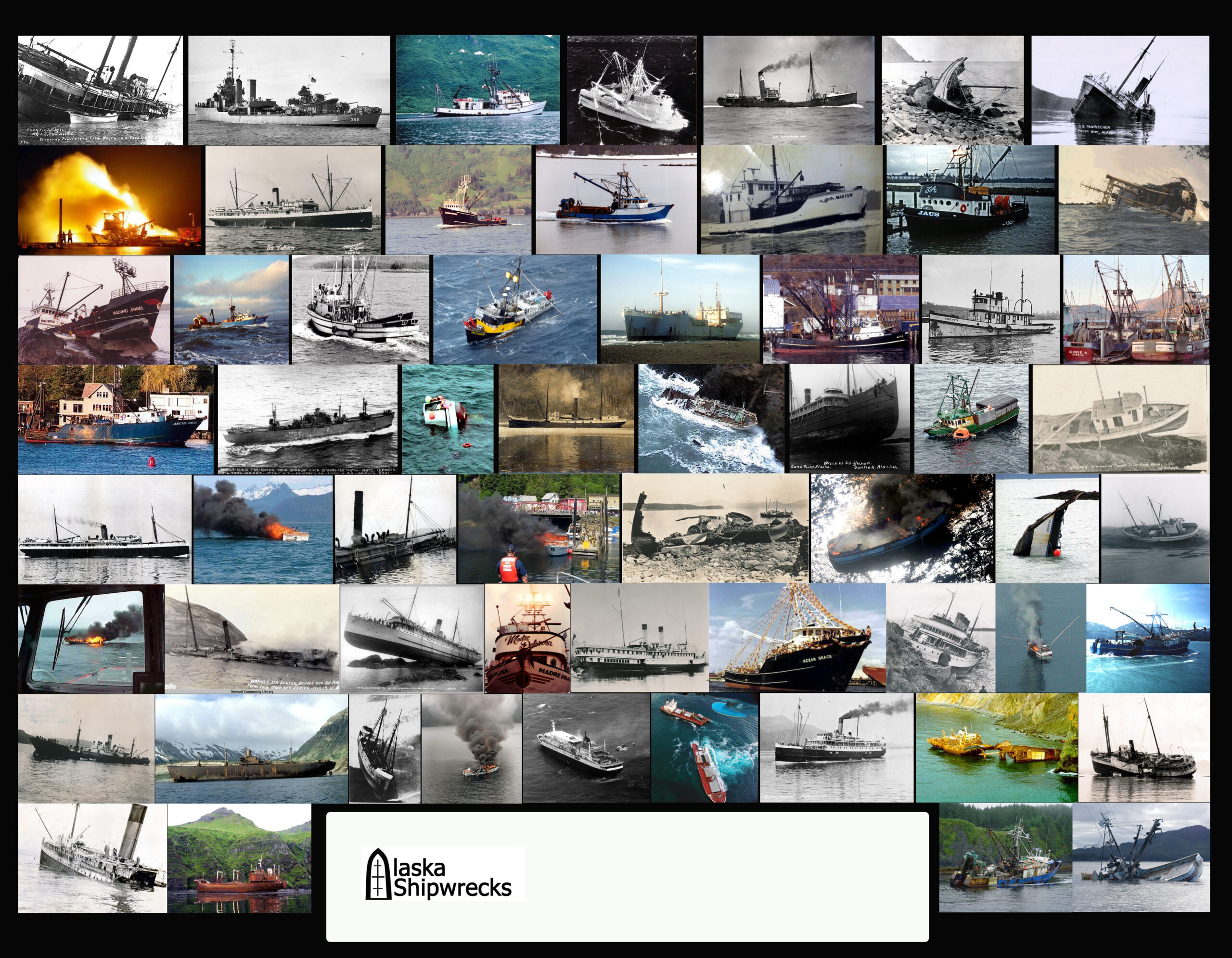
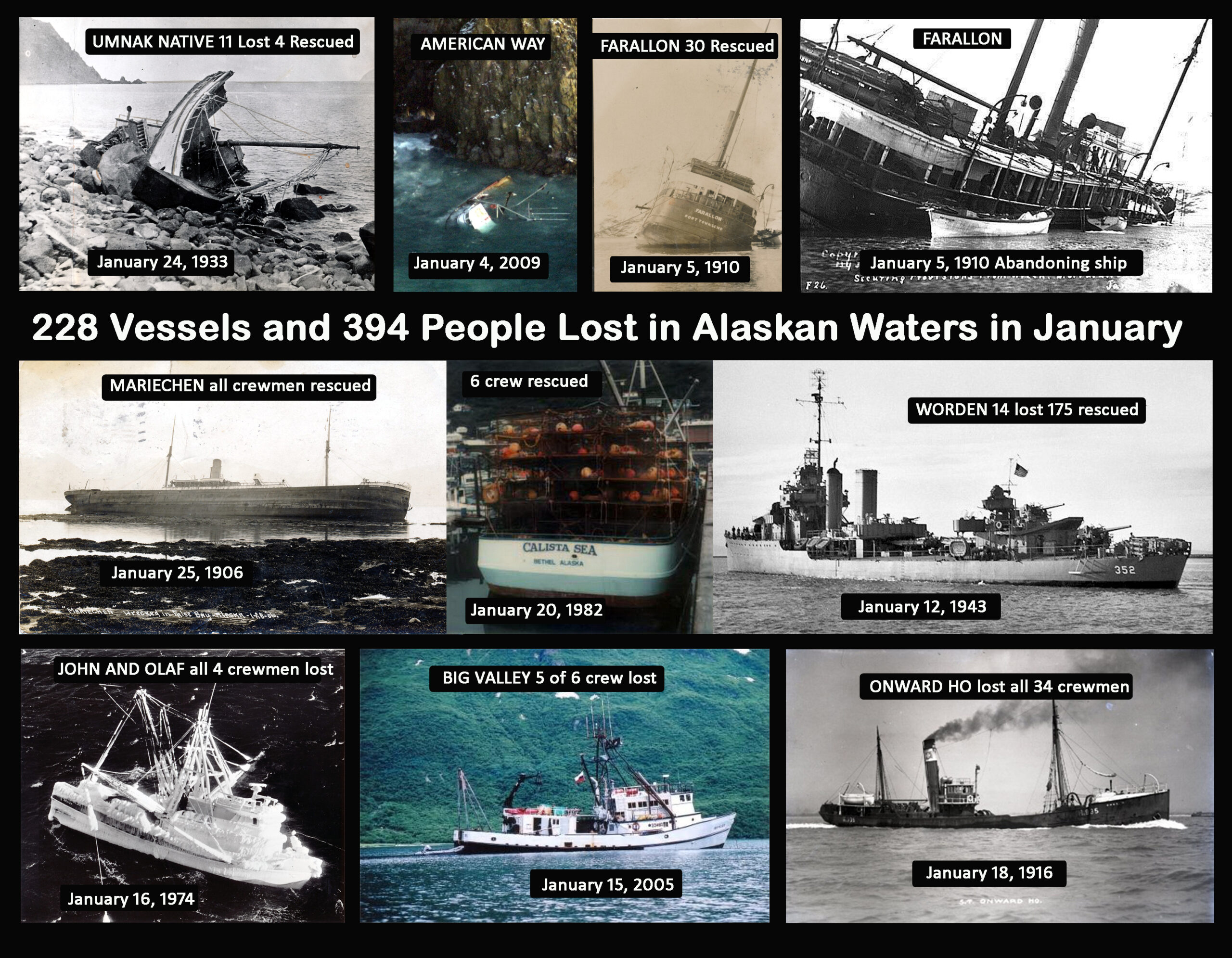
This website is about Alaska Shipwrecks. You can click on any of the links, just under the photograph of the Umnak Native shipwreck at the top of the page, and find thousands of Alaska shipwrecks. They are listed alphabetically, chronologically and geographically, so each wreck can be found in a number of places depending how you search. If you want any further information do not hesitate to ask. My files are large and almost everything is digitized. If you have information or photographs I can add please email warren@alaskashipwreck.com and let me know.

The Alaska Shipwrecks website is put together and published by Captain Warren Good. To those of you that have helped keep this effort going by clicking on the donations button and sending some support my way, THANK YOU! In an effort to generate a more dependable revenue stream, I have removed the donation button and transitioned into ALASKA SHIPWRECKS LLC. I will be offering a number of products and services which will be detailed in a future post. They will include the use of photographs from my personal collection, research services, author assistance and other maritime and shipwreck related products and services. If interested, please contact warren@alaskashipwreck.com.

Alaska Endeavour

The Star of Bengal went down on September 20, 1908, near Coronation Island, Alaska. On its way from the cannery at Wrangell to San Francisco, the ship had 111 laborers locked in the hold. All but one died. After a long federal investigation, no one was held responsible.On March 24th the research vessel Endeavour will depart Wrangell to go look for the wreck. The team is confident they can find it. Their reasons why are described in the mission statement on the Alaska Endeavour website, www.AlaskaEndeavour.org

This is your chance to participate. You can help sponsor this expedition for as little as $250. As a sponsor, you’ll be invited to participate in a live online session from the Endeavour the night before it leaves Wrangell, and in a second live online session the morning it returns.To find out how you can help sponsor this expedition and join the live sessions, visit www.AlaskaEndeavour.org

No photo description available.
Star of Bengal

Donations Accepted

For those of you new to this website, it is totally funded by me and anyone who will donate to keep it functioning. There is a secure “Donation” button above and to the right where you can contribute to the continuation of this site and the research that goes into it. I do not have any advertisements on here and hope to continue that policy. The “Donation” button payment platform is Stripe, which accepts all major credit and debit cards in a safe and secure manor. The site is also secure, which you can see by the “https” that precedes the web address. Thanks for visiting this resource and double thanks if you can help with finances. Any amount helps. Smooth Sailing, Captain Warren Good

2022 ALASKA SHIPWRECK CALENDARS

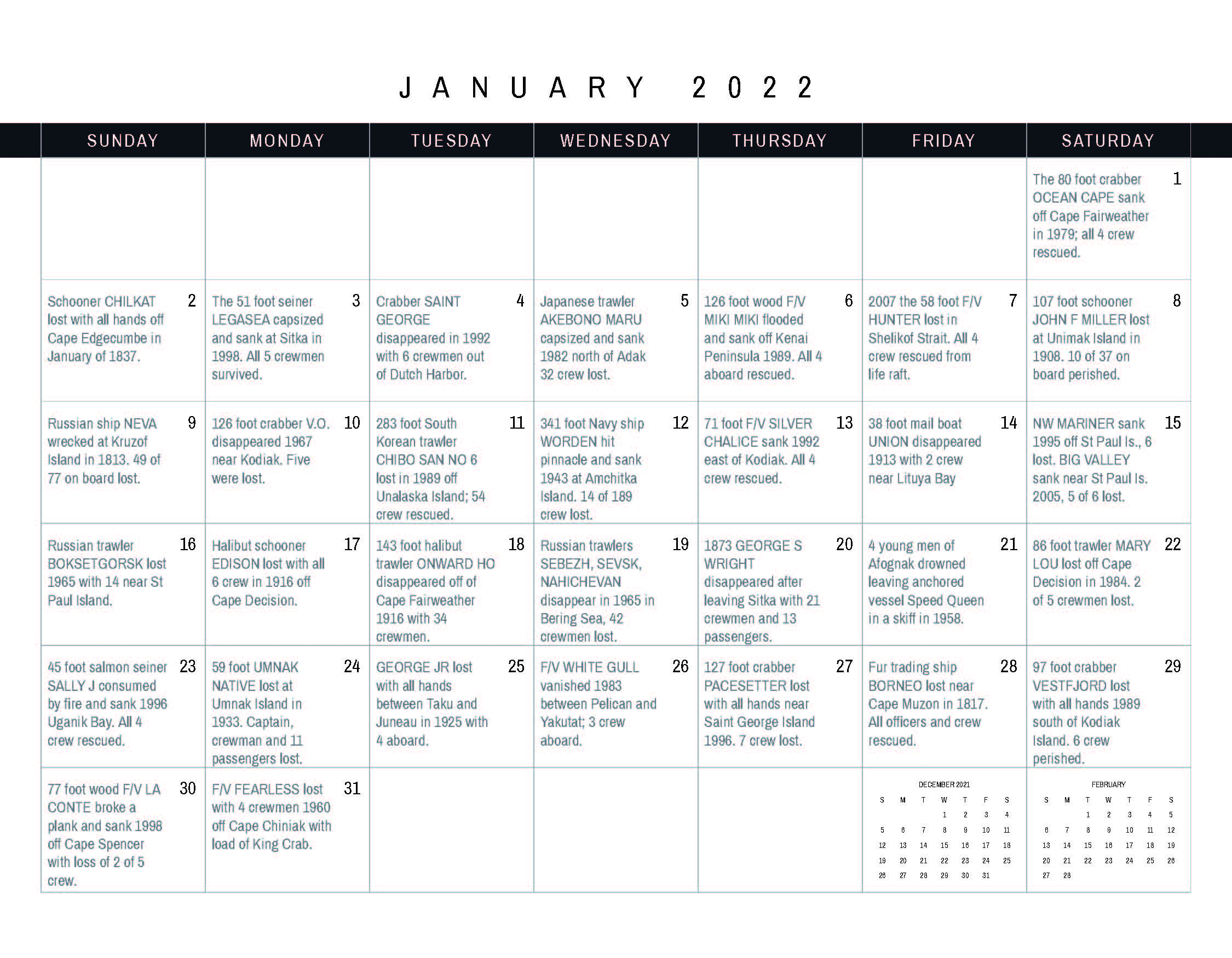
The 2022 ALASKA SHIPWRECKS CALENDAR is ready. Getting anything in a hurry this year is out of the question so I would order as early as possible, especially if these are for Christmas presents. The best way to get any of my publications is to do a word search for “Captain Warren Good” or “Alaska Shipwrecks” at Lulu.com which is where I publish all my stuff. Thanks for your support and Happy Holidays to come.

The back and front of the 2022 ALASKA SHIPWRECKS CALENDAR

Upper and lower parts of the January 2022 ALASKA SHIPWRECKS CALENDAR

There is also a link in the Alaska Shipwreck Store that will connect you to my author spotlight at Lulu.com.

My book ALASKA SHIPWRECKS – 12 MONTHS OF DISASTERS is a good compliment to the ALASKA SHIPWRECKS CALENDAR. It is a month to month accounting of the most significant Alaska shipwrecks with transcribed stories taken directly from survivors. It is also available from Lulu.com.

Southeast Alaska Shipwrecks Book in the works.

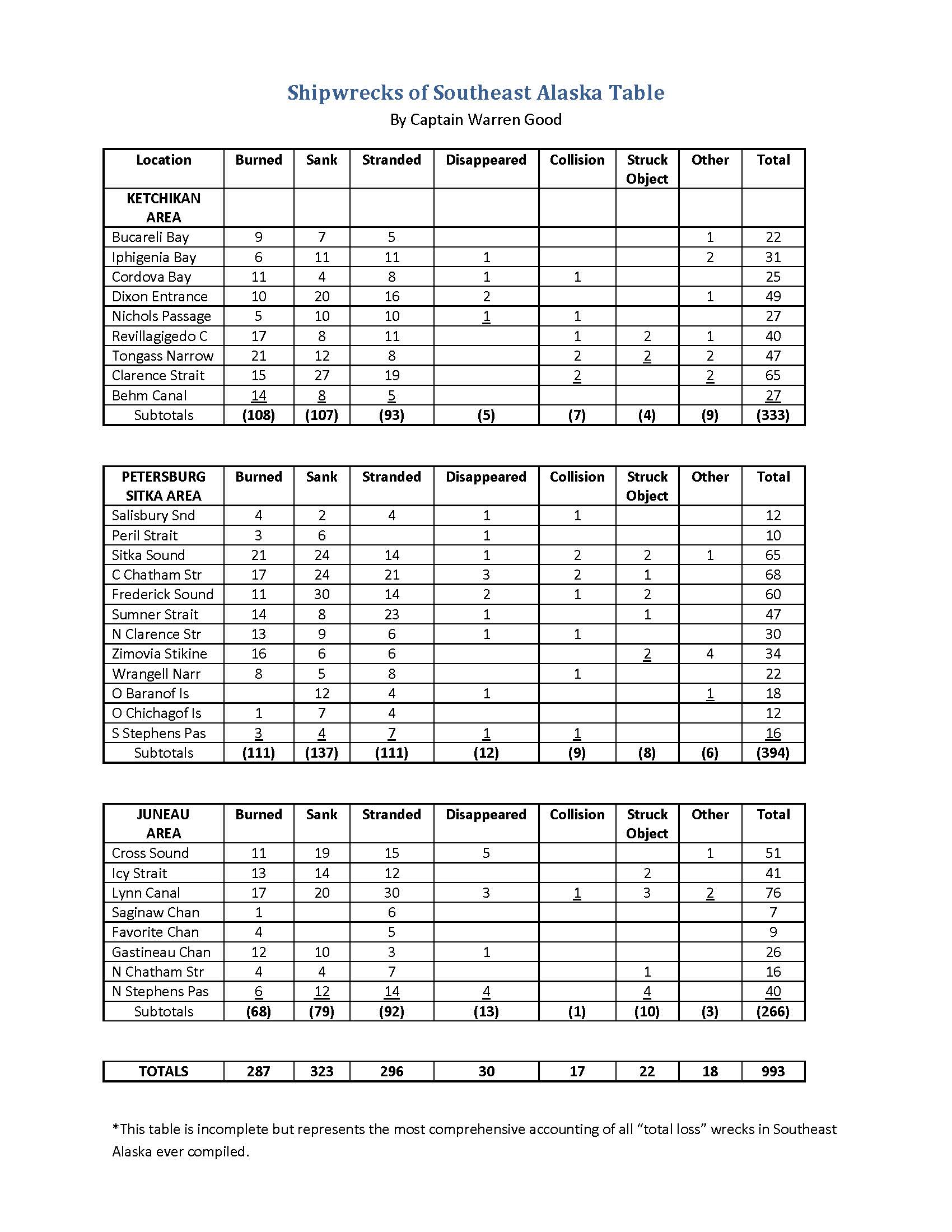
I am working on several new books about Alaska Shipwrecks. Because there are so many maritime disasters, I am dividing the state into areas. The first book in this series will be Shipwrecks of Southeast Alaska. For the purpose of clarity and future study I have divided Southeast Alaska into three areas; Ketchikan Area, Sitka Area and Juneau Area. In the book, each area has a number of waterways associated with it and I have identified the wrecks that took place in each of those waterways and presented details that I have been able to find. I am hoping this will make a good reference book for those interested in identifying wrecks or wreckage they may come across. For example, if you are beachcombing in the area of Lynn Canal and find parts of an old boat, you can go to Lynn Canal chapter of the book and look for wrecks that took place in that area. You can see in the table below that Lynn Canal, which is in the Juneau Area, had 76 wrecks. The following table is a product of the research and conclusions I have put together so far. The count and totals of known shipwrecks will change over time as new “old wrecks” come to light with the research Michael Burwell and I are doing. This Southeast Alaska Shipwreck Table is an accounting of the work done to date.

Authors, media and other researchers; just ask.

The information in the form of documents, news articles, wreck reports, Coast Guard Investigations, photographs and other physical and digital artifacts that I have here in my office is substantial. Most of my archives are associated with Alaska Shipwrecks but I have accumulated a great deal of peripheral information as well. If you are researching a topic or subject that may be related to something that may be in my files or library I do not charge to pass along or share what I have. This site has always been a free information resource and I hope to always keep it that way. If I can be of help, I will. It doesn’t matter if you are an individual researching the loss of a relative or a national newspaper reporter researching a story, I try to be as forthcoming with information as I am able. If you prefer to be anonymous please email me at warren@alaskashipwreck.com. I can also be contacted on Facebook at “Alaska Shipwrecks” or “Alaska Fishermen RIP”.

If you do benefit from the information I provide, I very much appreciate donations if you are able. This website is protected by SSL and the donation platform is powered by Stripe and very secure. Just click on the DONATIONS button on the main Alaska Shipwrecks page and you will be directed to where you can help me in my cause.